
Orlando Commercial Real Estate
Central Florida's fastest-growing CRE market. Retail, office, industrial, multifamily, and NNN investment properties across Orange County and the surrounding Orlando metro.
By Ryan Solberg · FL Real Estate Broker License BK3354351 · Last updated July 2026
2.7M+
Metro Population
75M+
Annual Visitors
Diversified
Major Employers
Strong
Market Outlook
Why Orlando Is a Top Commercial Real Estate Market
Orlando has emerged as one of the strongest commercial real estate markets in the Southeast United States. With a metro population exceeding 2.7 million and consistent year-over-year growth, the Orlando market offers commercial real estate investors a compelling combination of strong demand, favorable demographics, and below-average vacancy rates across most property types.
The region's economy is diversified well beyond its tourism roots. While the hospitality and entertainment sectors remain significant drivers — anchored by Walt Disney World, Universal Studios, and a growing convention industry — Orlando has also attracted major employers in healthcare, technology, defense, and financial services. This economic diversification creates resilient demand for commercial space across retail, office, industrial, and multifamily asset classes.
Orlando's population growth rate has consistently outpaced the national average, driven by domestic migration from higher-cost markets in the Northeast and West Coast. This influx of residents fuels demand for housing, retail services, medical facilities, and employment centers — all of which translate directly into commercial real estate opportunities.
Key Commercial Property Types in Orlando
The Orlando commercial real estate market offers opportunities across every major property type. Retail properties remain strong along major corridors like International Drive, Colonial Drive, and the US-192 tourist corridor, where foot traffic and consumer spending support healthy lease rates. Investors looking for stable cash flow gravitate toward multi-tenant strip centers and single-tenant NNN properties leased to national credit tenants.
Office space demand has evolved, with growing interest in flexible and medical office formats. The Lake Nona and Medical City corridor has become a national destination for health sciences, driving demand for medical office space. Traditional office demand remains steady in established submarkets like Maitland, Downtown Orlando, and the I-4 corridor.
Industrial and logistics properties have seen significant appreciation as e-commerce growth drives demand for warehouse and distribution space. Orlando's central Florida location makes it a natural distribution hub, and industrial vacancy rates have remained among the lowest in the state.
Multifamily investment continues to perform well as population growth outpaces housing supply. Class B and C multifamily properties offer value-add investors the opportunity to renovate units and push rents to market rate, generating both cash flow and appreciation.
Orlando Commercial Real Estate Market Trends
Several key trends are shaping the Orlando commercial real estate market heading into 2026. Cap rates across most asset classes have stabilized after the interest rate adjustments of recent years, creating more predictable pricing for buyers and sellers. Investors who can identify below-market assets with value-add potential are well-positioned to generate outsized returns.
Development activity remains robust, particularly in the southeastern Orange County corridor and along the I-4 growth spine. New residential communities are creating demand for supporting retail and commercial services, opening opportunities for land acquisition and development.
The NNN investment market in Orlando remains one of the strongest in Florida. National credit tenants including Dollar General, AutoZone, Walgreens, and Starbucks continue to expand their footprint in the region, providing a steady pipeline of single-tenant NNN investment opportunities with predictable returns and minimal management requirements.
For investors looking to enter or expand in the Orlando market, working with a broker who understands the local submarkets — from the tourism corridor to the medical district to the suburban growth areas — is essential to identifying the right opportunities and avoiding overpriced assets.
Orlando Commercial Real Estate Submarkets
The Orlando metro is made up of several distinct commercial real estate submarkets, each with its own tenant mix, pricing dynamics, and investment thesis. Understanding these submarkets is essential to identifying the right opportunity for your strategy.
Lake Nona & Medical City — Orlando's fastest-growing master-planned community, anchored by UCF Medical School, Nemours Children's Hospital, and the VA Medical Center. Demand is strongest for medical office, life sciences, and Class A multifamily.
International Drive (I-Drive) — the tourism and entertainment corridor serving Universal, SeaWorld, and the Orange County Convention Center. Hospitality, retail, and experiential entertainment properties dominate this submarket.
Downtown Orlando — the urban core with a mix of Class A and B office, adaptive reuse projects, and growing multifamily infill. Home to the CBD's major employers, courts, and financial institutions.
Maitland & Winter Park — established suburban office and retail submarkets with strong demographics and high tenant retention. Preferred by professional services, legal, and medical tenants.
Sand Lake Road / Dr. Phillips — high-end retail, restaurant, and office demand driven by affluent residential neighborhoods and the proximity to the tourism corridor.
I-4 Corridor / Sanford / Apopka — the industrial and logistics backbone of Central Florida, with warehouse, flex, and distribution space serving the entire state.
Property Types in Orlando
Retail & Shopping Centers
Office & Medical Office
Industrial & Logistics
Multifamily
NNN Investments
Hotels & Hospitality
Vacation Rentals (STR)
Land for Development
Orlando Property for Sale and Lease by Type
Buying, leasing or selling in Orlando? Each page below covers one property type in Orange County.
Why Invest in Orlando
Consistent population growth driving demand across all property types
75M annual visitors create recession-resistant hospitality investment demand
Diversified economy beyond tourism — healthcare, tech, defense, and finance
Below-average vacancy rates in retail, industrial, and multifamily sectors
Strong pipeline of NNN opportunities with national credit tenants
Favorable tax environment — no state income tax in Florida
Central location makes Orlando a logistics and distribution hub
Theme park corridors (I-Drive, Kirkman, Sand Lake) support premium retail rents
Orlando Market Spotlight Video
Get Orlando Deal Alerts
Be the first to know about commercial real estate opportunities in Orlando. Sign up for off-market deal access.
Market Insights
Research and analysis for commercial real estate investors
Orlando Cap Rates by Property Type
Current cap rate ranges for retail, office, industrial, multifamily, and NNN properties.
Orlando Hospitality Investment Opportunities
Hotels, vacation rentals, theme park retail, and resorts — 75M annual visitors, $70B spending.
Orlando Commercial Real Estate Trends 2026
Cap rates, submarkets, and investment strategies across the Orlando metro.
Entertainment District Investment Guide
Disney, Universal, and I-Drive corridor opportunities for CRE investors.
How to Evaluate Hotel Cap Rates
Master leverage, DSCR, occupancy modeling for hospitality investment analysis.
Brevard County Investment Outlook
Space Coast growth drivers and commercial real estate opportunity areas.
Related Resources
Recent Closings in Orlando
Verified commercial transactions closed by MaxLife Commercial in Orange County.
AutoZone — 801 S Goldenrod Rd
Orlando, Orange County
$950,000
Tenant: AutoZone (NYSE: AZO)
Absolute NNN ground lease — 17-year tenant occupancy, corporate guarantee, 41,000 VPD on Goldenrod Rd corridor. 4 × 5-year renewal options remaining.
Live Commercial Listings in Orlando
Active commercial inventory in the Orlando metro — for sale, live from Stellar MLS.
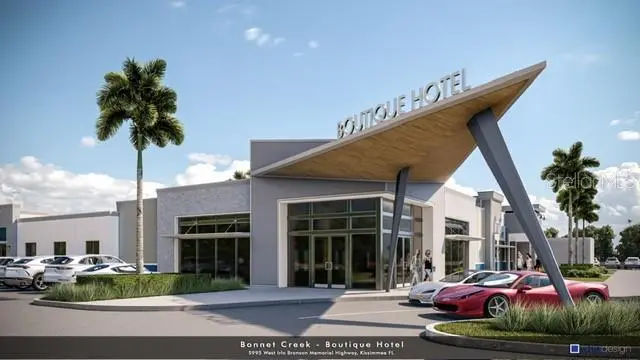

$32.00M
5995 W Irlo Bronson Memorial Hwy
Kissimmee, FL 34747
95,480 SF · 7.46 ac · Built 1984
Acreage & Unrec
MLS #O6386757, COLDWELL BANKER REALTY.
Listing provided by Stellar MLS
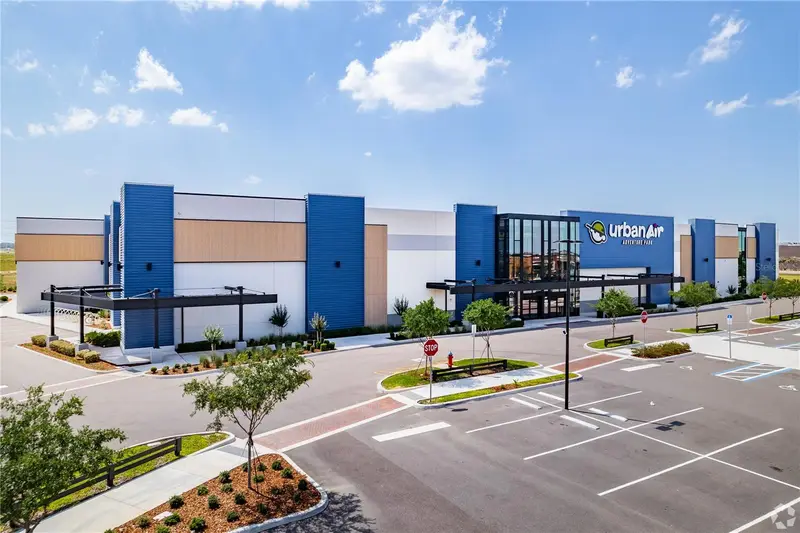
$18.90M
5758 Hamlin Groves Trl
Winter Garden, FL 34787
9.16 ac · Built 2023
Hamlin Southwest
MLS #O6386379, COLDWELL BANKER REALTY.
Listing provided by Stellar MLS
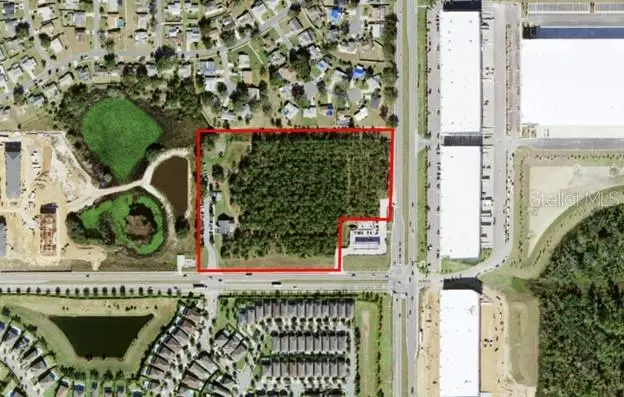
$15.00M
7625 Sinclair Rd
Kissimmee, FL 34747
2,500 SF · 13.31 ac · Built 2014
Sinclair Corners
MLS #R4910040, RICHARD L. FULLERTON INC.
Listing provided by Stellar MLS
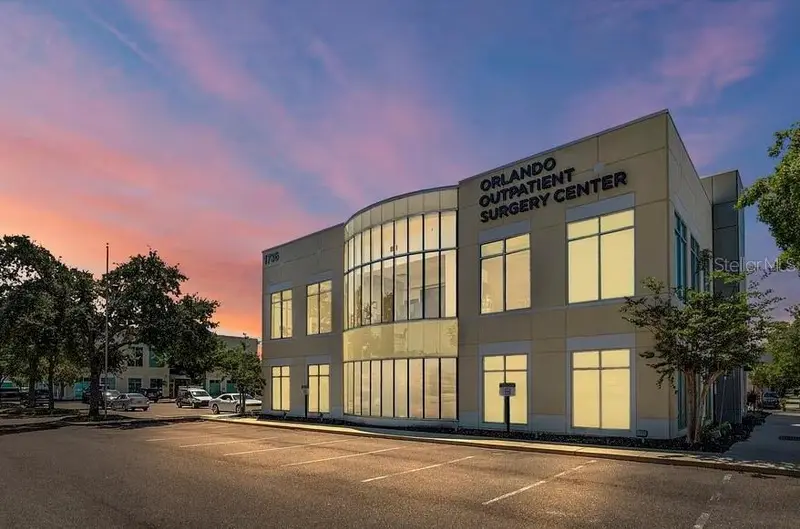
$14.00M
1736 33rd St
Orlando, FL 32839
24,000 SF · 1.48 ac · Built 2005
I-4 Commerce Center Ph Ii
MLS #O6453773, KENNEDY REALTY GROUP LLC.
Listing provided by Stellar MLS
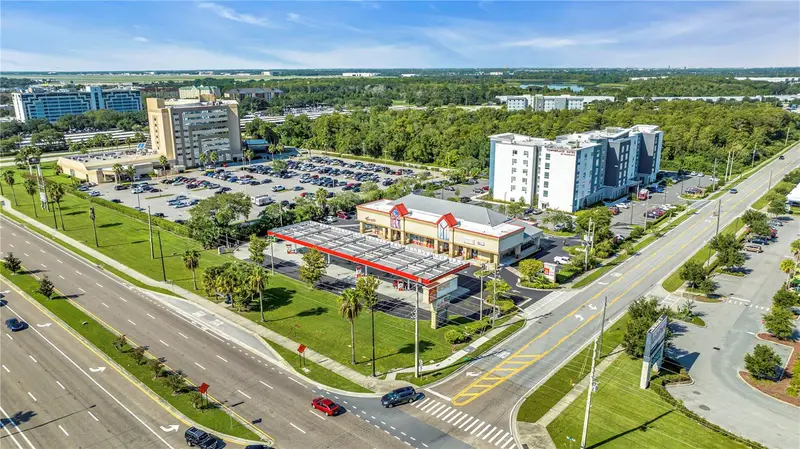
$12.78M
5600 Butler National Dr
Orlando, FL 32812
7,866 SF · 1.37 ac · Built 2000
MLS #O6059518, ORLANDO PROPERTY ADVISORS.
Listing provided by Stellar MLS
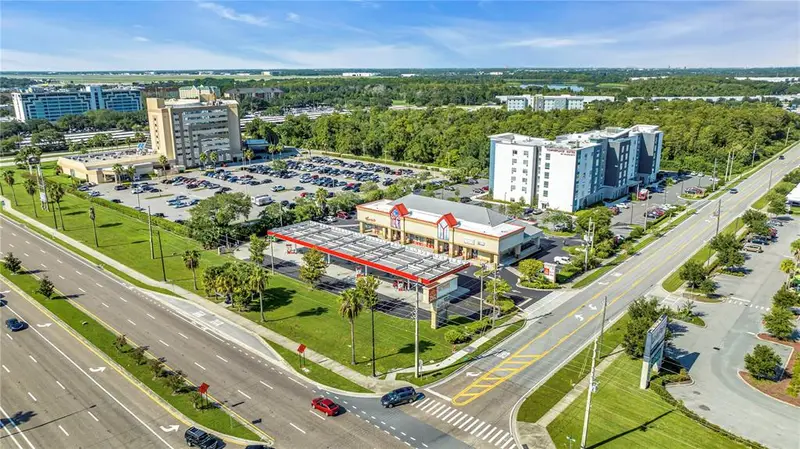
$12.78M
5600 Butler National Dr
Orlando, FL 32812
7,866 SF · 1.37 ac · Built 2000
MLS #O6059705, ORLANDO PROPERTY ADVISORS.
Listing provided by Stellar MLS
Listings courtesy of Stellar MLS as distributed by MLS GRID. Data deemed reliable but not guaranteed.
Orlando Commercial Real Estate FAQs
What is the commercial real estate market like in Orlando?
Orlando is one of the strongest CRE markets in Florida — 2.7M+ metro population growing above the national average. Vacancy is below average across retail, industrial, and multifamily. The diversified economy (tourism, healthcare, tech, defense) creates resilient demand across all property types. NNN investments with national credit tenants are among the most active deal categories.
What are cap rates for commercial real estate in Orlando?
Orlando cap rates in 2026: NNN retail 5.5–7.0%, industrial 5.0–6.5%, multifamily 4.75–5.75%, office 7.5–9.0%. Lake Nona and Medical City submarkets command compression vs. suburban corridors. Buyers under 6% cap are typically targeting stabilized product with below-market rent upside or long-term NNN income.
What are the best Orlando submarkets for commercial real estate investment?
Lake Nona & Medical City (healthcare, life sciences, institutional Class A), Sand Lake Road/Dr. Phillips (high-income retail, mixed-use), Maitland & Winter Park (professional office and upscale retail), the I-4 corridor (industrial/logistics, Sanford to Apopka), and the I-Drive/convention corridor (hospitality, experiential retail).
Is Lake Nona a good place to invest in commercial real estate?
Lake Nona is Orlando's fastest-growing master-planned community and home to UCF Medical School, Nemours Children's Hospital, and the VA Medical Center. Medical office demand, Class A multifamily, and retail pad sites serving its 45,000+ residents are all strong. Land values have risen sharply, but disciplined buyers can still find accretive opportunities — especially retail pads and QSR sites serving new residential growth.
How do I buy commercial property in Orlando?
Start by defining your criteria (property type, budget, target return), get pre-qualified for financing, and work with a local commercial broker who knows the submarkets. Once you identify a property, analyze the numbers — cap rate, NOI, lease terms, and tenant credit — then complete due diligence (title, environmental, inspections, lease/estoppel review) before closing. MaxLife Commercial provides off-market Orlando deal access and a free deal analyzer to underwrite any property in seconds.
Who is a commercial real estate broker in Orlando?
MaxLife Commercial is a Central Florida commercial real estate brokerage led by broker Ryan Solberg (Florida license BK3354351), based at 5401 S Kirkman Rd, Suite 310, Orlando. The firm represents buyers and sellers across retail, office, industrial, multifamily, NNN, and land, with institutional-grade underwriting and no fees to investors on buyer representation.
How much does commercial real estate cost in Orlando?
Pricing depends on property type, size, income, and submarket. Most private-investor deals in Orlando trade between roughly $500K and $10M+, with single-tenant NNN properties commonly $1M–$5M. Value is driven by net operating income and the market cap rate for the asset class — in 2026, roughly NNN retail 5.5–7.0%, industrial 5.0–6.5%, multifamily 4.75–5.75%, and office 7.5–9.0%. A broker opinion of value or the MaxLife deal analyzer can price a specific property.
Orlando Specialist
Ready to Invest in Orlando?
Schedule a free consultation with our Orlando commercial real estate team.
Orlando Investment Consultation
Tell us your investment goals and we'll identify the right Orlando opportunities for you.